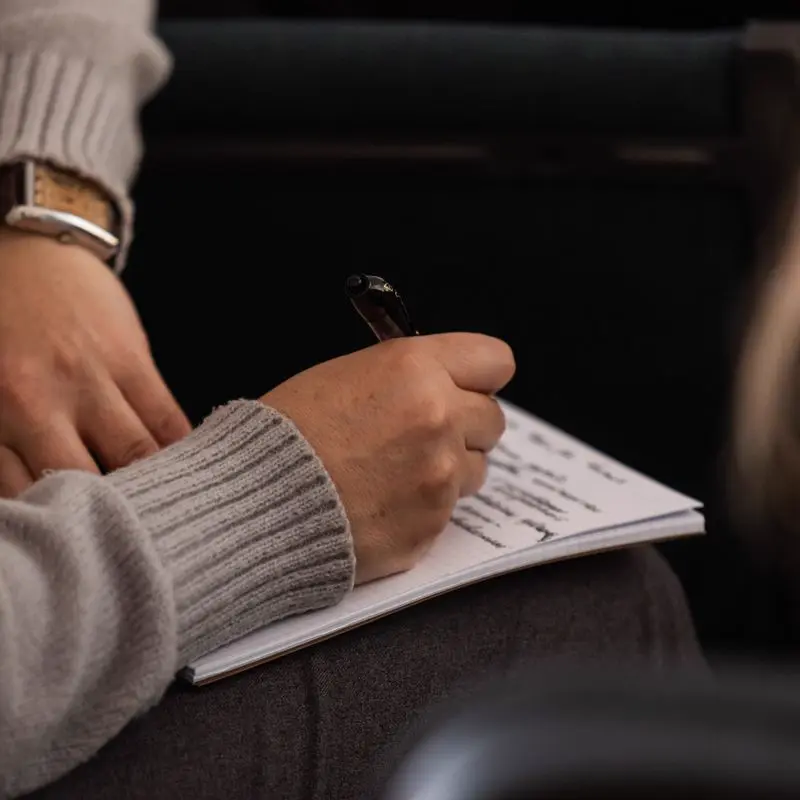
“Inner child” is a phrase many people use to explore the needs, fears, and hopes connected to earlier stages of life. It can be a meaningful metaphor for self-compassion. It is not a diagnosis, a memory-recovery method, or a substitute for therapy.
This practice asks only one thing: can you respond to yourself with a little more care than you might have received or offered in the past? You do not need to remember every detail of childhood, and you do not need to uncover anything painful for the exercise to count.
Before you begin
Choose a time when you have a few calm minutes afterward. Keep the practice short: five to ten minutes is enough. Have a grounding option ready, such as a drink of water, a view out the window, a song, or a simple household task.
If you notice that writing makes you feel panicked, detached, or overwhelmed, stop. Place your attention on the present room and seek appropriate support if the feeling does not settle.
Four gentle prompts
Choose one prompt, not all four.
- What did younger me enjoy that I have not made room for lately?
- What would I want a caring adult to say to me today?
- When do I feel small or eager to please, and what might help me feel more supported now?
- What is one small promise I can keep to myself this week?
Answer in a few sentences. There is no need to make the writing beautiful, revealing, or complete.
Try a two-column conversation
If it feels helpful, divide a page in half. On the left, write a present-day concern in one or two sentences. On the right, answer from the perspective of a calm, kind adult you would trust. Keep the answer practical — if the format appeals to you, our inner child letter-writing practice offers a longer version of this dialogue.
For example:
Concern: “I made a mistake, and I feel like everyone will be disappointed.”
Kind response: “Making a mistake is uncomfortable. We can check what needs to be repaired tomorrow. Tonight, we do not have to punish ourselves.”
This is not about pretending a hard situation is easy. It is about practicing a less hostile inner voice.
End in the present
Close every session with an orienting question: “What is true right now?” You might write: “I am at my desk. It is Tuesday. I have eaten. I can take a shower and sleep.” Concrete facts can help mark the difference between reflecting on the past and being in the present.
Then choose one small act of care: make a meal, stretch, step outside, turn off a notification, or ask for support.
Choose a prompt that fits your capacity
Not every day is a day for looking backward. Before you write, check whether you feel reasonably rested, fed, and able to return to an ordinary task afterward. If the answer is no, choose a present-day prompt instead of a childhood-focused one.
For a lighter day of reflection
Ask: “What did I enjoy when I was younger that still feels available to me now?” The answer might be drawing, a particular snack, being outside, music, or an hour without being useful to anyone. You do not need to turn the answer into a project. Simply making room for one small preference can be an act of self-connection.
When you are people-pleasing
Ask: “What am I afraid would happen if I said what I need?” Then add: “What is one respectful, present-day way to support myself?” This keeps the exercise focused on your current choices rather than asking you to prove where every pattern began.
When you have made a mistake
Ask: “What would a caring adult help me do next?” The answer may include repair, rest, information, or asking for help. It does not need to be a glowing affirmation. A calm, practical response is often more believable.
Keep imagination and memory separate
Writing from the perspective of a younger self can be meaningful as a creative exercise. It is not a method for recovering exact memories or establishing facts about the past. If a memory or interpretation feels important, give it time. Avoid making major relationship, health, or life decisions based on one writing session.
You can use language that preserves uncertainty: “I wonder whether…,” “Part of me remembers…,” or “I notice I associate this feeling with…” These phrases make room for reflection without asking you to turn it into certainty.
Make a closing ritual you can repeat
A closing ritual helps writing stay contained. Keep it simple enough that you will actually use it:
- Read the last line you wrote once, without editing it.
- Write one sentence beginning, “Right now, I need…”
- Put the notebook away or close the document.
- Do one sensory or practical action in the present.
The final action could be making a drink, opening a window, setting a timer for a shower, or returning to a meal. If you feel more distressed after writing, do not begin another prompt in an attempt to solve the feeling. Ground first and seek support if the distress does not settle.
Let the practice be optional
There is no requirement to have a close relationship with an imagined younger self. Some people prefer a gentle self-compassion practice for when you feel small, a short journal prompt, or no writing at all. The useful measure is whether the practice helps you respond to your present life with a little more care and agency.
Turn insight into a small present-day promise
If the writing leaves you with a useful observation, translate it into something concrete. A promise might be “I will eat lunch before the next meeting,” “I will ask for clarification instead of apologizing automatically,” or “I will make time for music this weekend.” Keep the promise small enough that it does not become another test of worth.
You can revisit the promise after a week with curiosity: did it fit, did it help, and does it need changing? The goal is not to become a better version of yourself overnight. It is to build evidence that you can notice a need and respond in a respectful way.
When to share the writing and when to keep it private
You do not owe anyone access to a journal entry. Sharing a small part with a trusted friend or clinician may be helpful when you want company or perspective, but it is equally valid to keep the writing for yourself. Before sharing, ask whether the person is likely to respond with care and whether you feel safe enough to hear a different point of view. Privacy can be part of self-compassion.
Choose a pace you can return to
One thoughtful entry every few weeks can be more useful than a long session that leaves you depleted. Keep a note of which prompts felt steady, which felt tender, and what helped you return to the present afterward. That record lets you choose the next practice from experience rather than pressure. You are allowed to pause this kind of reflection for as long as you need.
Guides in this cluster
More what-to-buy guides for this cluster (gentle journaling lists and prompt sets) are in progress.
Further reading
- Inner Child Dialogue: A Letter-Writing Practice for a longer-form option.
- How to Practice Self-Compassion When You Feel Small for a present-day alternative.
- Shadow Work for Beginners: A Gentle, Grounded Starting Point for limits and grounding.
- The 3-Minute Journaling Practice for a lighter daily alternative.
Sources and further reading
- American Psychological Association: Self-care resources
- NHS: Every Mind Matters - dealing with feelings
- Pennebaker & Smyth, Opening Up by Writing It Down
Continue gently
Inner Child Dialogue: A Letter-Writing Practice
A gentle letter-writing practice for self-connection, with clear limits for moments when reflection feels too intense.
How to Practice Self-Compassion When You Feel Small
A short, non-clinical self-compassion practice for moments of embarrassment, people-pleasing, or feeling younger than your present circumstances.
How to End a Self-Reflection Practice Feeling Grounded
A gentle closing sequence for journaling or reflection that helps you return to the room, your day, and your next practical step.