The phrase vagus nerve reset has become a popular way to describe a very simple idea: that you can influence your body’s stress response by changing how you breathe. The idea is broadly sound. The popular version of it is vague. Here is what is actually happening, and three exercises that use it.
What the vagus nerve actually does
The vagus nerve is the tenth cranial nerve, and it is the longest of them. It runs from the brainstem down through the neck and chest into the abdomen, carrying both sensory information and motor commands. It is a two-way road. Sensory fibres report on the state of your organs, and motor fibres send instructions back out.
Two things make it relevant to stress. First, the vagus nerve is the primary nerve of the parasympathetic nervous system, the branch of the autonomic nervous system associated with rest, digestion, and recovery. Second, when stress is low and the vagal tone is high, that system is doing visible work in your body: your heart is not racing, your digestion is moving, your breathing is unremarkable.
When you are under sustained stress, that balance shifts toward the sympathetic side. This is a useful response to an immediate threat and a poor default setting for a Tuesday afternoon. The vagal brake is still there, but it is less effective at the intensity.
The practical lever is breath rate. You cannot reliably raise heart rate variability or lower heart rate by trying to think about them. You can, however, change your breathing pattern, and because breathing is under both voluntary and automatic control, your breath is the one autonomic function you have direct access to.
Why the exhale matters most
Two mechanisms explain why extending the exhale shifts things toward parasympathetic:
Baroreflex. Blood pressure rises slightly during inhalation and falls slightly during exhalation. Stretching the exhale lengthens the interval during which pressure is falling, which nudges baroreceptors in the carotid artery and aorta toward signalling lower pressure. That signal travels through the glossopharyngeal and vagus nerves to the nucleus tractus solitarius in the brainstem, the main integration point for cardiovascular reflexes. Sustained practice over weeks can shift your resting heart rate and heart rate variability.
CO2 and chemoreceptors. Breath-holding and prolonged exhalation raise carbon dioxide slightly, which your brain reads as the signal to increase ventilation. Repeated exposure to mild, brief CO2 elevation appears to increase vagal tone. This is the mechanism some people notice most.
The takeaway for practice is simple: keep the inhale easy and moderate, and let the exhale be longer. The exhale lengthening is doing most of the work.
Exercise 1: Physiological sigh (90 seconds)
This is the shortest and most reliable of the three.
- Sit comfortably, or lie on your back. Neither position is better; pick the one where you can breathe without thinking about your posture.
- Take two normal breaths in through the nose.
- On the next inhale, take a small extra sip of air on top of the inhale, so you fill the top of the lungs a little more. This is the second inhale, not a deeper first one.
- Exhale slowly through the mouth, pursed as though cooling hot food, until you are empty.
- Repeat for three full rounds.
The mechanism is mechanical. An inhale adds more air than a normal breath would, and the exhale has correspondingly more volume to expel. That larger volume move increases the pressure change across the chest, which is what the baroreflex is measuring. In a small 2023 study in Cell Reports Medicine, a 30-second version of this, with a follow-up 10-minute meditation for comparison, produced the fastest reduction in physiological arousal.
Use it before a hard conversation, in a car park before you walk into a meeting, or at the point where you notice you have been holding your breath without realising it.
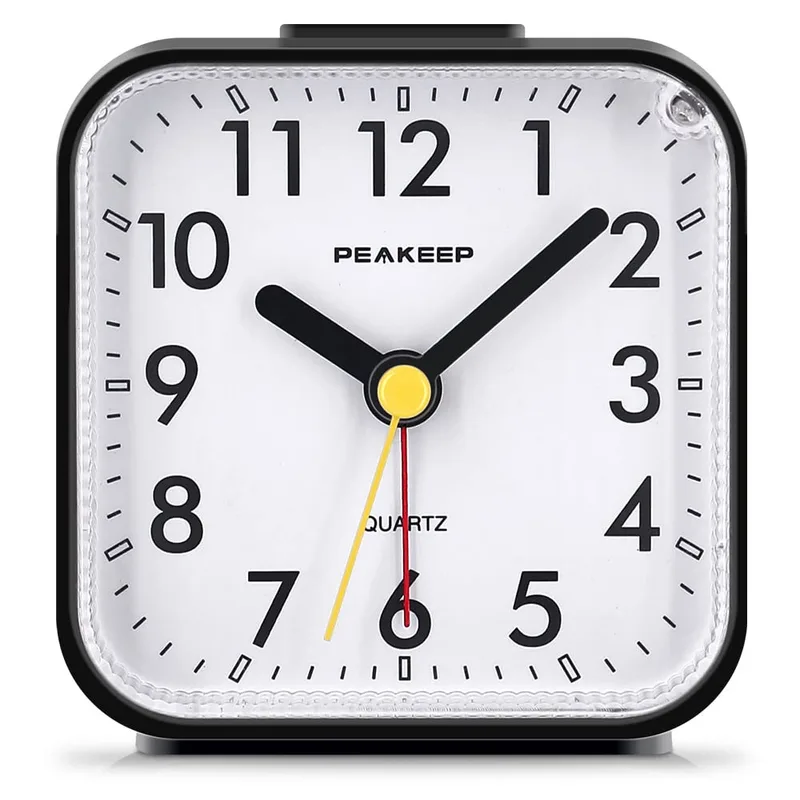
A suggested tool
Small timer or hourglass-free clock face
One of these three exercises is the only one that needs a visible clock, and even there an internal count works. If you already have an analog clock within sight, the ninety seconds become much easier to hold to.
View on AmazonThis page may contain affiliate links to products we think are worth considering. If you buy through a link, we may earn a small commission at no extra cost to you. Our recommendations are independent, and they are suggestions, not prescriptions.
Exercise 2: Exhale with resistance (3 minutes)
- Sit with both feet on the floor. Let your shoulders drop.
- Inhale through the nose for a count of four. Unforced; if four feels like a lot, use three.
- Exhale through pursed lips for a count of six or eight, as though slowly blowing out through a straw.
- Repeat for about three minutes, then sit still for one minute before you move.
Pursed-lip breathing increases airway resistance during expiration, which slows the flow and extends the phase where pressure is falling. It also tends to make the exhale harder to rush, which matters, because the failure mode of this practice is people treating the count as an obstacle to get past.
A more reliable version: exhale through your nose while the mouth is closed. Most people find nasal exhalation slower and more naturally extended than pursed-lip exhalation.
Stop if breath counting makes you light-headed, tingly, or more agitated. That is a signal to return to normal breathing, not to push through. Our 90-Second Nervous System Reset covers the shorter floor exercises that usually sit underneath this.
Exercise 3: Vagal tone through orientation (4 minutes)
This one has no breath counting at all, and it works well if breath-focused practice makes you more self-observing rather than less.
- Sit or stand. Let your eyes move slowly around the room, without fixing on any one thing.
- As you look, let your attention follow: the shape of the space, the light in it, anything that is inanimate. Do not narrate what you are doing.
- After about a minute, let your gaze settle on the furthest point in the room. Soften everything below the jaw and the top of the skull.
- Stay there for two more minutes, then move your eyes slowly left, right, up, down.
- Notice anything that has changed in your breathing, without trying to change it.
This is a vagal exercise in the vagal-toning sense. Environmental stillness and visual expansion are associated with reduced sympathetic arousal. If you want to build on it, our somatic exercises for gentle beginnings add more of this orientation work, and feeling safe in your body covers why the sense of safety is not a mindset choice.
What to expect, honestly
Over a single sitting, expect a small shift: less tension in the shoulders and jaw, a slightly slower breath, sometimes a wave of tiredness if you have been bracing. That is a normal response to dropping tension.
Over weeks of daily practice, some people report a lower resting heart rate and a faster return to baseline after stress. Effects on anxiety symptoms specifically are less certain in the research, and vagal tone is only one pathway among many.
Three things this is not. It is not a treatment for any medical condition. It is not a substitute for clinical vagus nerve stimulation, which is a device-based treatment with regulated dosing. And it is not a fix for a workload that is genuinely unsustainable. If your days are structurally too full, breathing exercises are what you do inside the problem, not an answer to it. Our micro habits for heavy days covers the smaller version of the same point.
Persistent changes in heart rate, breathing, or sleep, or symptoms that interfere with daily life, are worth raising with a qualified health or mental-health professional. This article is educational and is not medical advice.
Further reading
- The 90-Second Nervous System Reset — the shortest version, for the middle of a workday
- A Gentle Guide to Nervous System Regulation — the pillar this article belongs to
- Somatic Exercises for Gentle Ways to Begin — orientation and grounding work
- 15 Micro-Habits for Heavy Days — smaller supports when three minutes feels like too much
Sources
- Stanford Medicine: Vagus Nerve Stimulation
- Journal of Clinical Psychiatry: Vagus Nerve Stimulation in Psychiatry
- PubMed: Breath Practices and the Vagal Tone
- Nature Human Behaviour: Slow Breathing and Heart Rate Variability
- PubMed: Short Longer Exhalation Practice Improves Mood
- Cell Reports Medicine: Cyclic sighing and respiratory physiology
- National Center for Complementary and Integrative Health: Relaxation Techniques
Continue gently
Emergency Calm in 90 Seconds: What to Do When It Is Now
A short, physical sequence for the minutes when your nervous system is already in alarm and reasoning has stopped helping.
Nervous System Regulation: A Gentle Guide for Everyday Overwhelm
What nervous system regulation can mean in everyday life, how to begin gently, and when self-care is not enough.
Somatic Exercises for Beginners: Gentle Ways Back to the Present
Five low-pressure, non-clinical body-based practices for noticing the present moment without forcing calm or revisiting difficult memories.