Your home does not need a redesign to support you. Small, repeatable choices about light, sound, and objects can make a space feel more restful — or at least less demanding. These ideas are about comfort and noticing, not about achieving a particular aesthetic.
Start with one change. None of these require a budget; they are adjustments you can make with what you already have.
1. Clear one surface
Pick one counter, desk, or table and clear it. A single empty surface can change how a room feels more than any purchase.
2. Rearrange the light
Move a lamp closer to where you sit, open a curtain, or close one when the light feels harsh. Light is the fastest change a room can offer.
3. Create a landing strip
Choose one spot for keys, phone, and bag. A place for the daily objects reduces the small hunt that can start a day feeling scattered.
4. Add one object that means rest
A blanket, a cup, a photograph, a plant. One object that signals rest to you can become a cue for your body.
5. Keep a glass of water in sight
Water on the desk or bedside makes hydration a visible, easy choice instead of an afterthought.
A suggested tool
Cordless table lamp
A lamp with soft, warm light can make an evening space feel gentler than overhead bulbs.
View on AmazonThis page may contain affiliate links to products we think are worth considering. If you buy through a link, we may earn a small commission at no extra cost to you. Our recommendations are independent, and they are suggestions, not prescriptions.
6. Lower the volume
Turn down one background noise — the TV, the radio, the notifications. Sound is input, and you get to choose how much.
7. Make the bed
A made bed takes two minutes and changes the visual weight of a room. It is a small, visible act of care.
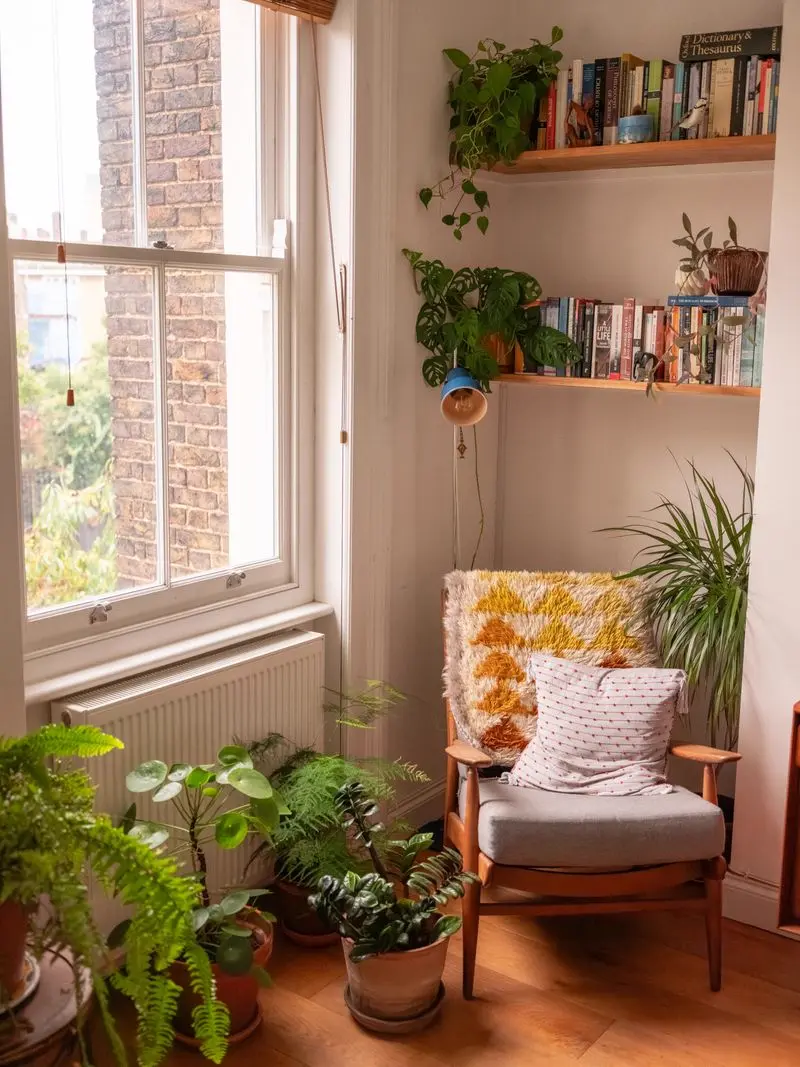
8. Design a pause corner
Choose one chair, cushion, or windowsill as the place you pause. It does not need to be fancy — it needs to be designated, as our phone-free corner guide shows in more detail.
9. Wash the cup you always use
Clean the mug you reach for every morning. A small act of upkeep that makes the daily ritual feel lighter.
10. Change the smell
If you like scent, light a candle or open a window for fresh air. Scent is a strong memory cue; use it as a personal marker, not a performance.
11. Keep one playlist for home
A short, familiar playlist that marks arrival. Play it when you come home or wind down. Repetition helps the transition feel real.
12. Store it, don’t scatter it
Give one frequently used item a permanent home. It is not about tidiness for its own sake; it is about fewer decisions.
13. Do the five-minute reset
Before bed, spend five minutes returning your space to neutral: fluff the cushion, close the laptop, put away the clutter. This is a closing ritual, not a cleaning chore — a small way to practice slow living without a productivity project.
14. Let some empty space exist
Leave one shelf, one wall, or one corner uncluttered. Empty space is not wasted space; it is breathing room.
15. Choose one sensory signature
Pick a scent, texture, or sound that defines the calm of your space. Consistency matters more than complexity.
Supportive is a feeling, not a look. The goal is not a room that photographs well. It is a room that makes the next moment slightly easier. Start with one surface, one light, or one object, and let the space do the remembering for you.
A suggested tool
Aromatherapy essential oil diffuser
If you enjoy scent as a cue, a simple diffuser can mark the transition to rest without promising a specific outcome.
View on AmazonThis page may contain affiliate links to products we think are worth considering. If you buy through a link, we may earn a small commission at no extra cost to you. Our recommendations are independent, and they are suggestions, not prescriptions.
Further reading
- Creating a Home Sanctuary on Any Budget — the pillar article on this approach
- The Ritual of Tea: A Sensory Practice in Three Steps — a simple sensory ritual for your space
- Slow Living Without Escaping Your Real Life — a less performative approach to daily rituals
Sources
- American Psychological Association: Stress resources
- NHS: Every Mind Matters - wellbeing tips
- Creating a home sanctuary on any budget
Continue gently
15 Autumn Slow Rituals for the Cozy Season
Fifteen gentle autumn slow rituals for the cozy season—small ways to mark shorter days, warm your evenings and let the year slow down with you.
The Light, Scent, and Texture of a Restful Room
Three small sensory levers—light, scent and texture—can make a room feel more restful. A gentle guide to tuning them one at a time, at any budget.
How to Create a Phone-Free Corner at Home
A practical guide to making one small, phone-free place at home for rest, reading, tea, or a more intentional transition into evening.